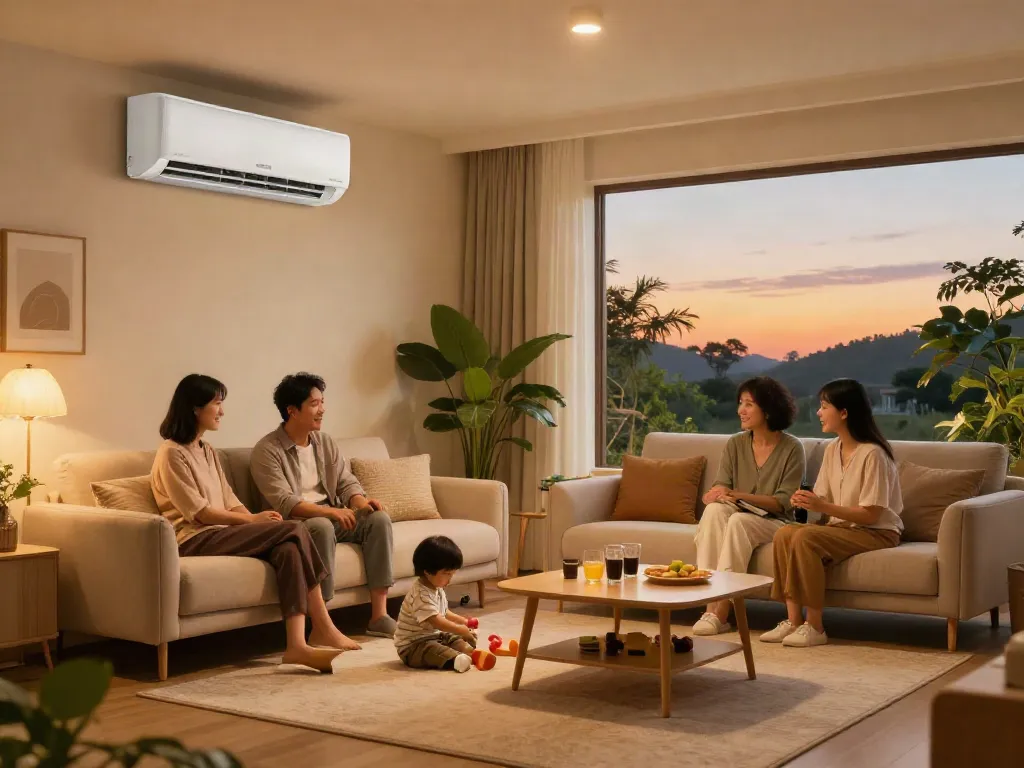
Understanding the 18k Mini Split System
When it comes to efficient heating and cooling solutions, the 18k mini split system stands out as a top contender in modern HVAC technology. These ductless systems provide an effective way to maintain comfortable temperatures in residential and commercial spaces, thanks to their flexibility and energy efficiency.
What is an 18k mini split air conditioning system?
An 18k mini split air conditioning system, also known as a ductless mini-split, is a compact HVAC unit designed to cool or heat spaces without the need for ductwork. It consists of two main components: an indoor unit that distributes conditioned air and an outdoor unit that expels heat. With a cooling capacity of 18,000 BTU, these systems are capable of efficiently servicing areas ranging from 550 to 1,000 square feet, making them ideal for medium to large rooms.
Key components and functionality
Understanding the core components of an 18k mini split system is essential for maximizing its performance. The primary elements include:
- Indoor Unit: Typically mounted on a wall or ceiling, this unit contains an evaporator coil, which cools the air, and a fan that circulates it throughout the room.
- Outdoor Unit: This component houses the compressor and condenser coils, dissipating heat absorbed from the indoor air.
- Refrigerant Lines: These insulated lines connect the indoor and outdoor units, allowing the refrigerant to flow between them, facilitating the cooling and heating process.
The functionality of an 18k mini split system is straightforward. The system extracts heat from indoors and transfers it outside during cooling mode, and reverses the process for heating. This dual capability offers year-round comfort and energy efficiency.
Benefits of using a mini split over traditional systems
Choosing a mini split system brings several advantages when compared to conventional HVAC systems:
- Energy Efficiency: Mini splits are known for their high SEER ratings, often exceeding 20. This leads to substantial savings on energy bills.
- Flexible Installation: Without the need for ductwork, installation is quicker and less invasive, making it easier to retrofit in existing homes.
- Zone Control: The ability to control multiple indoor units independently allows for personalized comfort settings in different rooms.
- Reduced Noise Levels: Mini splits operate more quietly than traditional systems, enhancing the overall comfort experience.
Choosing the Right Space for Your 18k Mini Split
Ideal room sizes for optimal cooling
To effectively utilize an 18k mini split, it's imperative to consider room sizes and layouts. Generally, these systems can efficiently manage spaces of approximately 600 to 1,000 square feet. Here are some ideal applications:
- Open-concept living areas
- Larger bedrooms
- Home offices
- Insulated garages
Considerations for installation locations
When selecting an installation location for your mini split system, consider the following:
- Airflow: Ensure the indoor unit is installed where its airflow is unobstructed, allowing for optimal cooling and heating distribution.
- Proximity to Power Source: Position the outdoor unit as close as possible to an electrical outlet to reduce installation costs.
- Accessibility: Choose a location that allows easy access to both indoor and outdoor units for maintenance and service.
Common installation challenges and solutions
While installing an 18k mini split system is generally straightforward, some challenges may arise:
- Space Constraints: If space is limited, consider slim profiles for indoor units. Wall-mounted or ceiling cassette models can be advantageous.
- Electrical Work: Ensure compliance with local codes. Hiring a licensed electrician can mitigate risks associated with electrical connections.
- Refrigerant Line Lengths: Longer lines may require specialized installation to maintain efficiency. Consult with a professional for guidance.
Maximizing Efficiency with Your 18k Mini Split
Energy-saving settings and features
To optimize the performance of your 18k mini split, take advantage of its energy-saving features. Many modern units include:
- Smart Thermostats: These allow remote temperature management via smartphone apps, ensuring you're comfortable upon arrival home.
- Variable Speed Compressors: Unlike traditional systems, mini splits can adjust their cooling output, reducing energy consumption significantly.
- Sleep Mode: This setting adjusts the temperature gradually for a comfortable sleep environment while saving energy at night.
Maintenance tips for longevity and performance
Regular maintenance is key to extending the lifespan of your 18k mini split system. Consider the following:
- Filter Cleaning: Clean or replace filters monthly to ensure optimal airflow and reduce strain on the unit.
- Check Drainage: Regularly inspect the drainage system to ensure it's clear of debris, preventing water damage.
- Professional Inspections: Schedule annual check-ups with HVAC professionals for thorough cleaning and maintenance.
How to optimize airflow and cooling distribution
Effective airflow is crucial for maximizing your mini split's efficiency. Here are some tips:
- Fan Settings: Utilize the fan-only mode on milder days to enhance comfort without relying on the cooling function.
- Vent Placement: Avoid placing furniture directly in front of the indoor unit to prevent airflow obstruction.
- Use Ceiling Fans: Complement your mini split with ceiling fans to promote even heat distribution.
Comparing Brands: Best 18k Mini Split Options
Top brands and their unique offerings
When considering the best 18k mini split systems, various brands stand out for their innovation and reliability:
- Mitsubishi: Known for advanced technology and quiet operation.
- Daikin: Offers high SEER ratings and excellent warranty programs.
- Pioneer: Renowned for providing value without compromising performance.
- MRCOOL: Features DIY-friendly installation kits, appealing to the home improvement community.
Consumer reviews and ratings
Consumer reviews are invaluable when selecting an 18k mini split. Many users highlight the importance of energy efficiency and noise levels in their ratings. For instance, products with SEER ratings above 20 are often praised for their cost-saving capabilities, while models noted for quiet operation score higher satisfaction ratings.
Price comparison and value analysis
Pricing for 18k mini split systems varies depending on brand and features. Entry-level units can start around $1,000, while high-end models may exceed $2,500. It's crucial to assess the overall value by considering the warranty, efficiency ratings, and after-sales support to ensure you’re making a wise investment.
Future Trends in Mini Split Technology for 2026
Emerging technologies in energy efficiency
The HVAC industry is continuously evolving, with significant advancements expected in mini split technology. Some anticipated trends for 2026 include:
- Enhanced Smart Features: More units will integrate with smart home systems for seamless control and monitoring.
- Improved Renewable Integration: Mini splits are likely to incorporate renewable energy sources, enhancing their eco-friendliness.
- Advanced Filtration Systems: Expect enhancements in air purification capabilities, contributing to better indoor air quality.
Smart home integrations and their benefits
As smart homes become increasingly popular, mini splits will likely offer more features tailored to this trend. Integration with voice-controlled devices and mobile apps enhances user experience, allowing homeowners to monitor and adjust their HVAC settings remotely.
Predictions for mini split market developments
Market analysts predict a steady growth in mini split technology, fueled by rising consumer demands for energy-efficient solutions. These systems are becoming a staple in residential renovations and new constructions alike, as homeowners recognize their myriad benefits.
What are the common questions about 18k mini splits?
Many potential buyers have questions regarding the functionality, suitability, and maintenance of 18k mini splits:
- Is an 18k mini split suitable for my home? Assess your space requirements and cooling needs. Consult with an HVAC professional for accurate sizing.
- What maintenance does an 18k mini split require? Regular filter checks, cleaning of the outdoor unit, and annual inspections are essential for optimal performance.
- Can I install an 18k mini split myself? While DIY kits exist, professional installation is recommended for optimal performance and compliance with local regulations.
- What is the average lifespan of an 18k mini split? With proper maintenance, these units typically last between 15 to 20 years.
- How does the 18k mini split compare to central HVAC systems? Mini splits offer more energy efficiency and flexibility, particularly in homes without ductwork.