Understanding Thin Hair and Its Challenges
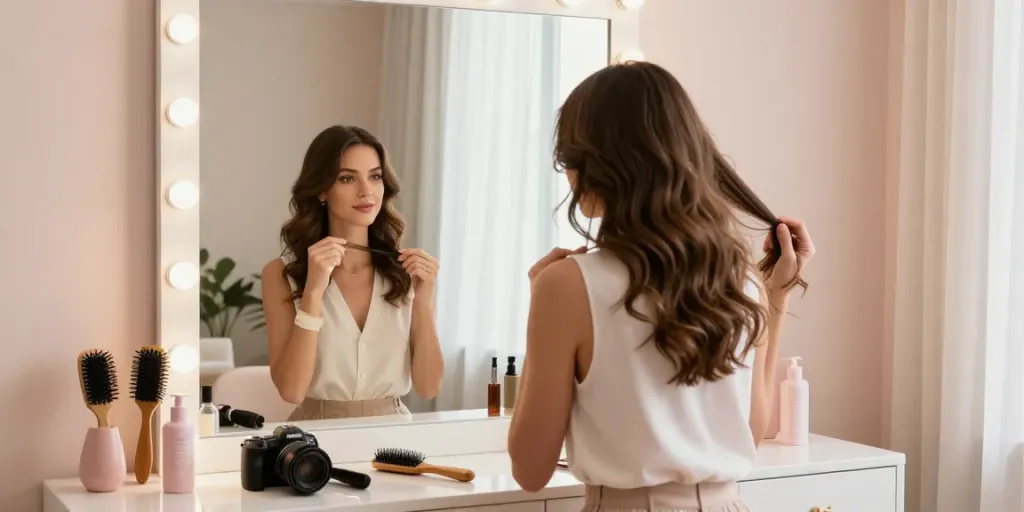
Thin hair can be a source of frustration for many individuals, impacting not only appearance but also confidence. Those with fine or thin hair often struggle with styles that can add volume or length without looking unnatural. Understanding the unique challenges faced by this hair type is crucial in finding effective and flattering solutions, especially when it comes to clip ins for thin hair.
What Defines Thin Hair?
Thin hair is characterized by a lower density of hair follicles and often presents itself as fine strands that can lack volume. Unlike coarse or thick hair, which may withstand styling tools and products, thin hair is more susceptible to damage and breakage. It's essential to understand that thin hair does not refer to the health of the hair itself; rather, it relates to the amount of hair follicles on the scalp.
Common Issues Faced by People with Thin Hair
People with thin hair often face several challenges:
- Lack of Volume: Thin hair typically lacks the body and fullness that can make styles appear voluminous.
- Easy Tangles: Fine hair can become easily tangled, leading to increased breakage during styling.
- Limited Styles: The choices for suitable hairstyles can be limited, as many styles require more hair to achieve the desired look.
- Product Build-Up: Using heavy products can weigh down thin hair, making it look greasy rather than styled.
Debunking Myths about Clip Ins
There's a common misconception that clip-in extensions are only suitable for those with thick hair. However, clip-ins designed specifically for thin hair can provide a natural, voluminous look without causing damage. The key is selecting the right type of clip-ins and applying them correctly.
Choosing the Right Clip Ins for Thin Hair
Finding the perfect clip-ins for thin hair involves an understanding of specific features that enhance natural beauty while ensuring comfort and security. Quality products can provide the perfect answer to achieving the desired fullness without compromising hair health.
Key Features to Look For
When selecting clip-ins, consider the following features:
- Weight: Opt for lighter clip-ins that won’t strain your hair and scalp.
- Clip Design: Look for small, flat clips that lay close to the scalp without being visible.
- Seamless Wefts: Seamless options can blend smoothly with your natural hair, providing a more realistic appearance.
Texture and Color Matching Tips
To achieve the most natural look, ensure that your clip-ins match the texture and color of your natural hair. It's advisable to:
- Choose the Right Shade: If in doubt, opt for a shade slightly lighter than your natural hair; this can create depth and dimension.
- Consider Highlights or Low Lights: For a more dynamic appearance, select clip-ins that incorporate subtle highlights or low lights.
Material Quality: Remy vs Synthetic
The material of your clip-ins will significantly affect their look and feel. Remy hair is sourced from human donors and is considered the highest quality. It retains the cuticle layer, which ensures a natural shine and movement. Synthetic hair, while more affordable, may not blend as well with natural hair and can be less durable.
Application Techniques for Natural-Looking Clip Ins
Applying clip-ins to thin hair requires careful technique to ensure a natural look. With the right application, extensions can blend seamlessly with your hair, enhancing your overall appearance.
Step-by-Step Guide to Applying Clip Ins
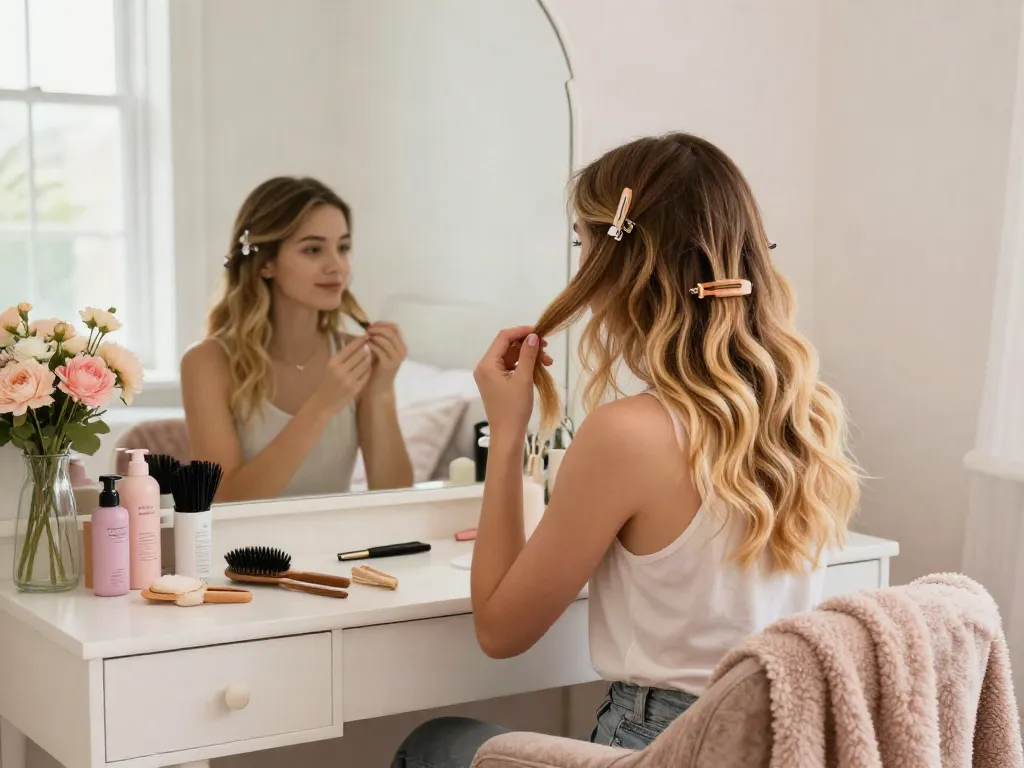
- Prepare Your Hair: Start with clean, dry hair. Lightly tease the roots where the clips will attach for better grip.
- Section Your Hair: Use a comb to create sections, starting from the bottom and working your way up.
- Attach the Clips: Open the clips and secure them to your hair, ensuring they are snug but not too tight.
- Blend: Gently tug on the extensions after applying them to blend your hair with the clips.
Best Practices for Blending with Fine Hair
To achieve the most natural look, use a curling iron or straightener to style both your natural hair and your clip-ins together. This not only helps to blend the textures but also allows you to experiment with different styles.
Tips for Long-Lasting Wear
For extended wear, consider the following tips:
- Avoid Heavy Products: Minimize the use of heavy styling products that can weigh down your hair.
- Secure with Hairspray: Use a light hairspray after applying your clip-ins to hold them securely without the risk of stiffness.
- Remove Gently: When it's time to remove your extensions, do so slowly to avoid any tugging or breakage.
Maintenance and Care for Clip Ins
Proper maintenance of your clip-ins is essential for ensuring longevity and maintaining their appearance. With the right care, your extensions can last for many wears.
How to Clean Clip Ins Properly
Cleaning your clip-ins should be done regularly, especially if they are made of human hair. Use a gentle sulfate-free shampoo and lukewarm water:
- Detach the clips from your extensions.
- Gently wash each piece in the water without scrubbing.
- Rinse thoroughly and let them air dry on a towel.
Storing Clip Ins for Longevity
Store your clip-ins in a cool, dry place. Use a designated holder or a soft pouch to prevent tangling. Avoid keeping them in direct sunlight, which can fade colors over time.
Repairing Damaged Clip Ins
If your clip-ins become damaged, consider gently brushing them with a wide-tooth comb. For split ends, you can trim the ends very carefully. If the hair becomes overly tangled, soaking them in a solution of water and a few drops of conditioner might help.
Future Trends in Hair Extensions for Thin Hair
The world of hair extensions is constantly evolving, and innovations will continue to emerge that cater specifically to those with thin hair.
Innovative Technologies in Clip Ins
Expect to see advancements in material quality, such as lighter and more breathable fabrics that provide a comfortable fit for long-term wear. Additionally, more brands may introduce custom color matching services, enhancing the personalization of clip-ins.
What to Expect in 2026 and Beyond
By 2026, trends may shift towards completely seamless designs that eliminate the need for clips while providing a natural look through advanced bonding techniques. There could also be growth in eco-friendly materials, catering to the increasing demand for sustainable beauty products.
Expert Predictions on Clip Ins for Fine Hair
Experts predict that the future will see a rise in clip-ins designed specifically for thinning hair, integrating technology that allows for even more personalized fitting and styling options. This could involve smart technologies that adjust to your hair type and styling preferences.
How to Choose the Best Clip Ins for Thin Hair?
When shopping for clip-ins, prioritize quality, weight, and correct clip design. It's advisable to read reviews and perhaps try the extensions in-store to ensure they meet your needs.
What are the Benefits of Clip Ins for Fine Hair?
Clip-ins can add volume, length, and versatility to your styling options without long-term commitment. They allow for easy transformations for special occasions or everyday styling.
Can Clip Ins Damage Thin Hair?
While clip-ins can be safe for thin hair, improper usage can lead to damage. Ensure a proper fit, avoid excessive pulling during application and removal, and choose lighter options specifically designed for fine hair.
How Do You Care for Clip Ins for Thin Hair?
Caring for clip-ins involves regular cleaning, gentle handling, and proper storage, as previously discussed. Adhering to these principles will ensure your clip-ins maintain their quality and look fabulous.
Where to Buy Quality Clip Ins for Thin Hair?
Reputable beauty supply stores and specialized online retailers offer high-quality options. Brands investing in research and development, like those targeted towards fine hair, can often be the best choice for reliable products.