Robots are taking on inspection and monitoring work around oil rigs, where height, heat, moving equipment, and hazardous gases can put people at risk. The useful question is not whether a rig can add a robot, but which task the robot can perform with less exposure and better records.
- Cameras and sensors inspect areas people may struggle to reach
- Remotely operated vehicles check subsea equipment
- Operators still make the decisions when conditions change
Inspection without sending people into danger
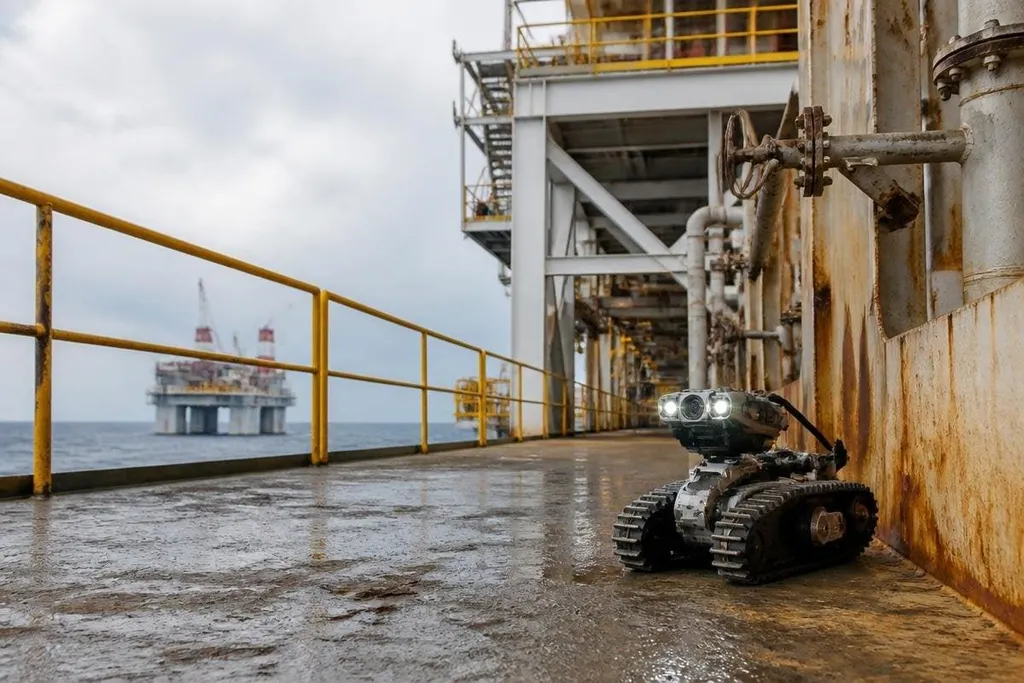
A camera-equipped crawler can move across steel surfaces and send images back to a technician.
The same basic setup can use thermal imaging to find hot areas or ultrasonic sensors to measure wall thickness, which helps identify corrosion before a person needs to climb or enter a confined space.
That work still needs a plan. A robot must reach the inspection area, keep contact with the surface, and return useful data through dust, water, poor lighting, or vibration. A machine that reaches only the easy parts of a structure leaves the hardest parts for people.
Drones can inspect high structures without putting a worker on a ladder or suspended platform. They can carry cameras through tight areas, but their value depends on clear images, safe flight control, and a process for checking what the camera recorded.
Subsea work needs different machines
Offshore rigs also use remotely operated vehicles, or ROVs, below the waterline. An ROV is a tethered robot controlled from the surface. Its cameras, lights, and manipulators let a crew examine subsea equipment without sending divers into every inspection task.
The tether supplies power and carries video and control signals. That connection gives the crew direct control, but it also limits movement and can snag on structures. An ROV does not remove the need for trained personnel; it changes where they work and what they physically face.
Autonomous underwater vehicles follow a different design. They move without a live control link for each action and can gather data across a planned route. Their use depends on navigation, battery life, water conditions, and recovery plans, so they fit survey work better than tasks that need a hand-controlled tool.
Robots collect records, not decisions
A robot can produce images, sensor readings, and location data, but those records still need review. Software can flag changes between inspections, yet a technician must decide whether a mark is corrosion, dirt, damage, or a camera artifact.
A useful oil rig robotics report names the machine, inspection task, sensor setup, and test date, so you can judge what the robot actually checked. The record also needs to show what the system could not confirm before a worker reviews the result.
The handoff between robot and worker matters as much as the hardware. A useful inspection system gives each image a location, keeps the original file, records the sensor used, and lets a qualified person review the result later. Without that trail, a faster inspection can still create a weak maintenance record.
Where the limits remain
Oil rig robots work best on repeatable jobs with clear boundaries. Inspection routes, camera surveys, and subsea checks can be planned. Leaks, damaged structures, blocked paths, and sudden weather changes need people who can judge conditions and change the plan.
Connectivity is another limit. Offshore sites may have restricted links, and a robot that depends on constant video control can lose its value when the signal drops. Systems that can keep a safe position, stop their motors, or return to a known point need testing before they enter service.
I'd start with inspection tasks that expose workers to the most risk and produce records the crew can check. That gives the robot a clear job and gives managers a way to judge whether it helps.
A practical buying checklist
Before adding a robot to a rig operation, check these points:
- Define the task and the area the robot must reach.
- Choose sensors that can answer the inspection question, such as thermal cameras or ultrasonic thickness tools.
- Set a safe stop state for lost signals, low power, or a blocked route.
- Keep the raw inspection files with time, location, and sensor details.
- Give a qualified worker responsibility for reviewing and approving the result.
- Test recovery, cleaning, charging, and repair before regular use.
The next step for most rig operators is a narrow trial with one inspection task, one trained crew, and a clear record of what the robot found. The useful measure is not how futuristic the machine looks; it is whether the crew gets safer access and dependable evidence for the next maintenance decision.