

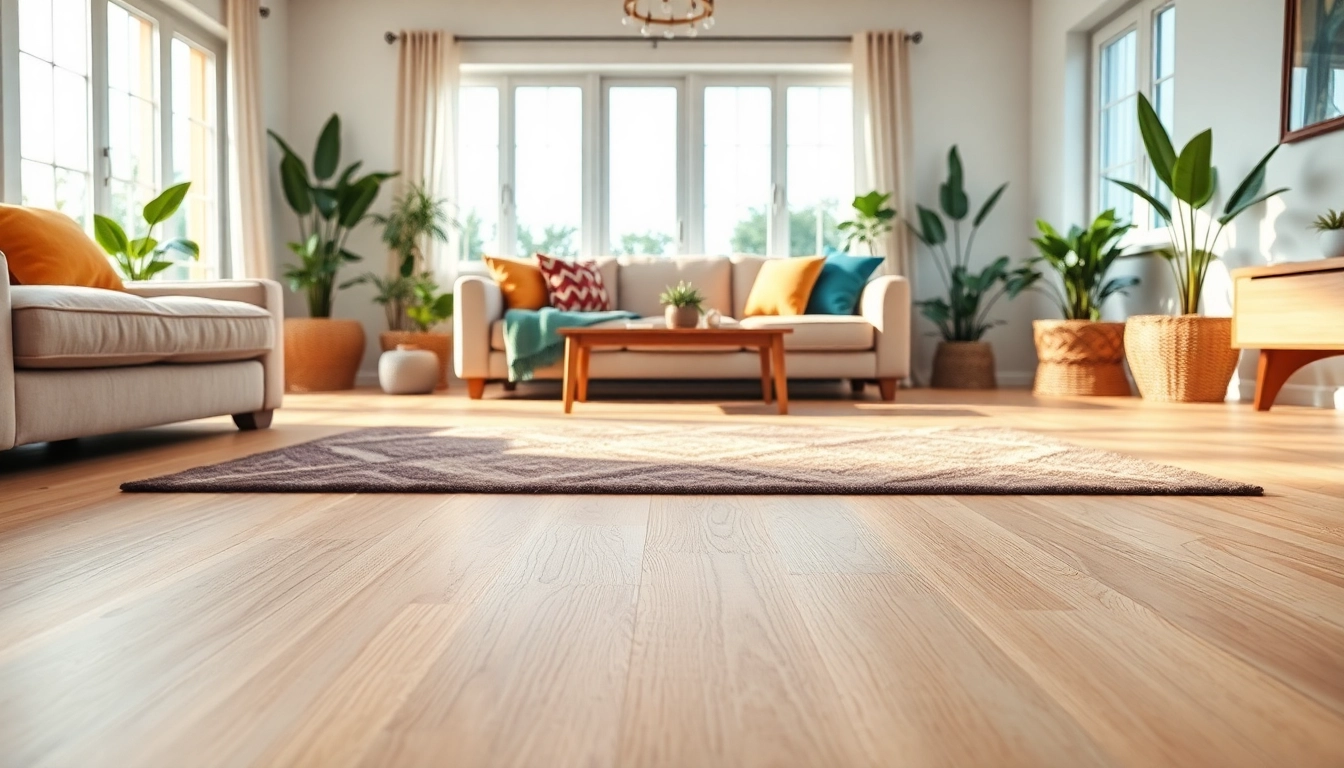
Understanding Cheap Vinyl Flooring
What is Cheap Vinyl Flooring?
Cheap vinyl flooring is an affordable flooring solution that imitates the appearance of natural materials like wood or stone without the associated costs. Constructed from PVC (polyvinyl chloride) and available in various styles and finishes, cheap vinyl flooring offers a practical and stylish alternative for residential and commercial spaces. It’s prized for its ease of installation, durability, and low-maintenance requirements. With a wide range of options, such as planks, tiles, and sheets, it caters to diverse design preferences.
Advantages of Choosing Cheap Vinyl Flooring
Opting for cheap vinyl flooring comes with numerous benefits, making it a popular choice for many homeowners. Firstly, its cost-effectiveness allows for budget-friendly renovations without sacrificing aesthetics or quality. It is waterproof, making it ideal for moisture-prone areas like kitchens and bathrooms. Additionally, cheap vinyl flooring is known for its comfort underfoot and sound-absorbing properties, resulting in quieter living spaces.
Moreover, the flooring is easy to clean and maintain—regular sweeping and occasional mopping are sufficient to keep it looking new. Its versatility also means that it can be installed over most existing floors, eliminating the need for costly subfloor repairs. Check out this cheap vinyl flooring option that fits your style.
Common Misconceptions About Cheap Vinyl Flooring
Despite its many advantages, there are several misconceptions surrounding cheap vinyl flooring that can deter potential buyers. One prevalent myth is that all vinyl flooring is of low quality and will deteriorate quickly. However, when sourced from reputable manufacturers, high-quality cheap vinyl can last many years with proper care.
Another misconception is that vinyl flooring is easy to damage. While it may not be as hard as tile or luxury wood, advancements in technology have made vinyl highly resistant to scratches and stains. Lastly, many believe that cheap vinyl flooring lacks style options, but the variety of designs available today includes elegant wood and stone looks that fit seamlessly into any décor.
Types of Cheap Vinyl Flooring
Luxury Vinyl Tile (LVT) vs. Vinyl Sheets
When exploring cheap vinyl flooring, you will typically encounter two primary formats: Luxury Vinyl Tile (LVT) and vinyl sheets. LVT is designed to look more like natural materials and comes in individual tiles. Its thickness, combined with a realistic surface texture, mimics wood or stone effectively, making it a favorite for high-end aesthetics.
In contrast, vinyl sheets are larger sheets of vinyl that are rolled out over the floor. This style is often more affordable and is excellent for larger areas due to fewer seams. Vinyl sheets typically offer good water resistance, making them suitable for bathrooms and kitchens. Each type presents unique advantages suited to different project needs and budgets.
Comparative Costs of Different Vinyl Types
The cost of cheap vinyl flooring can vary significantly based on the type selected. LVT generally falls into a higher price range than vinyl sheets due to its intricate design and thicker construction. Depending on the brand and quality, LVT can range from $2 to $7 per square foot. Alternatively, vinyl sheets may be found for around $1 to $5 per square foot, making them more accessible for larger areas in need of flooring solutions.
In terms of installation, LVT requires more precision and might incur additional labor costs compared to vinyl sheets, which can often be installed more quickly, especially in rolled formats. Buyers should consider these factors when budgeting for projects.
Best Applications for Cheap Vinyl Flooring
Cheap vinyl flooring is versatile and suitable for a range of applications. Its water-resistant properties make it ideal for areas like kitchens, bathrooms, and laundry rooms where moisture is prevalent. Moreover, it is also a practical choice for living spaces and bedrooms due to its comfort and aesthetic appeal.
Many commercial environments benefit from cheap vinyl flooring as well; it can withstand heavy foot traffic while maintaining a stylish appearance. Schools, offices, and retail spaces frequently utilize this flooring type for its durability and ease of cleaning. The various design options available ensure that it seamlessly fits into any aesthetic—modern, traditional, or eclectic.
Installation Guide for Cheap Vinyl Flooring
Preparing the Subfloor for Vinyl Installation
Proper preparation of the subfloor is vital for the successful installation of cheap vinyl flooring. Start by ensuring that the subfloor is clean, dry, and level. Remove any existing flooring materials, and repair any cracks or imperfections in the surface. A flat subfloor ensures that the vinyl will lay evenly and prevents future warping or buckling.
Next, check for moisture levels in the concrete or wood subfloor, especially in basements. If moisture is detected, use moisture barriers to protect the vinyl. Lastly, acclimate the vinyl planks or tiles to the room’s temperature and humidity for at least 48 hours before installation, allowing for expansion and contraction.
Step-by-Step Vinyl Flooring Installation Process
Following the preparation of the subfloor, proceed with the installation process:
- Measure the Room: Calculate the square footage needed to determine how much vinyl you will require, allowing for a 10% waste allowance.
- Cut Vinyl Planks or Sheets: Use a utility knife or scissors to cut the vinyl to fit the room. For LVT, ensure that cuts are straight and precise.
- Lay Out the Vinyl: Start from one corner of the room and lay the vinyl planks or tiles, dry-fitting them before applying adhesive or peel-and-stick backing where applicable.
- Secure the Vinyl: If using adhesive, apply it evenly with a trowel and press the vinyl down fully. For floating floors, simply interlock or place the planks. Make sure there are no bubbles or lifts.
- Trim Edges: Use a utility knife to trim any excess vinyl along the walls, ensuring a clean finish.
- Finishing Touches: Install baseboards or trims to give the room a finished look and protect the edges of your new flooring.
Tips for Maintaining Proper Alignment and Sealing
Ensuring proper alignment and sealing while installing cheap vinyl flooring is crucial for a seamless appearance and long-lasting durability. Throughout the installation, use spacers to maintain consistent gaps at the edges of the room, especially in floating floor systems to allow for expansion.
Additionally, employ a rolling pin or vinyl roller to help eliminate air pockets and ensure the adhesive bonds well, particularly with adhesive-backed vinyl. After the installation, it’s important to apply a sealant to edges (if applicable) for additional protection against moisture and dirt accumulation, prolonging the longevity of your flooring.
Design Ideas with Cheap Vinyl Flooring
Creating a Modern Look with Vinyl Flooring
Cheap vinyl flooring can help create a modern aesthetic that reflects current design trends. Choose planks that resemble natural wood or stone for a sophisticated look. Pairing lighter-toned vinyl with bold or dark furniture can make a striking contrast, centralizing attention in a room.
For a contemporary vibe, consider geometric patterns or wider planks that enhance space visual coherence. Mixing different colors or textures of vinyl can also create unique areas within open-plan designs, allowing for creative delineation of spaces while maintaining stylistic harmony.
Combining Vinyl with Other Flooring Types
Another innovative approach includes combining cheap vinyl flooring with other flooring types to enhance design depth and character. Transitioning between vinyl and hardwood can create visual interest in living areas while maintaining functional benefits. To execute these transitions effectively, use transition strips or thresholds that match the aesthetic of both flooring types.
Area rugs can also be utilized to create warmth and comfort on vinyl surfaces, giving an inviting touch without compromising the flooring’s durability. Mixing materials can redefine spatial boundaries and elevate interior decor, ensuring a distinct and personalized approach to styling your home.
Color Trends for Cheap Vinyl Flooring in Home Décor
Color trends in cheap vinyl flooring are evolving, with many people gravitating towards rich, earthy tones and minimalist whites. Shades like walnut, oak, and even gray contribute to a modern but warm ambiance, complementing various furniture pieces and décor styles.
Neutral colors remain popular, maximizing versatility and allowing homeowners to redecorate without replacing the flooring. In contrast, statement-colored vinyl, such as navy blue or rich burgundy, can dictate a room’s design direction, becoming a focal point while maintaining practical benefits.
Frequently Asked Questions about Cheap Vinyl Flooring
Is cheap vinyl flooring durable?
Yes, cheap vinyl flooring is designed to be durable, resisting scratches, stains, and moisture, making it suitable for various applications including high-traffic areas.
Can I install cheap vinyl flooring myself?
Absolutely! Many homeowners opt for DIY installation. As detailed, with the right preparation and tools, you can successfully install cheap vinyl flooring.
What maintenance is required for vinyl flooring?
Maintenance is minimal. Regular sweeping and occasional mopping with a mild cleaner help keep the vinyl well-maintained and looking new.
How does cheap vinyl flooring compare to hardwood?
Cheap vinyl flooring is more affordable, easier to maintain, and typically more resistant to moisture compared to hardwood, which may require refinishing and careful moisture control.
Are there eco-friendly options in cheap vinyl flooring?
Yes, many manufacturers offer eco-friendly options made from recycled materials and VOC-free processes, making them a safer choice for indoor air quality.